Our Expertise : - Wildlife Conservation
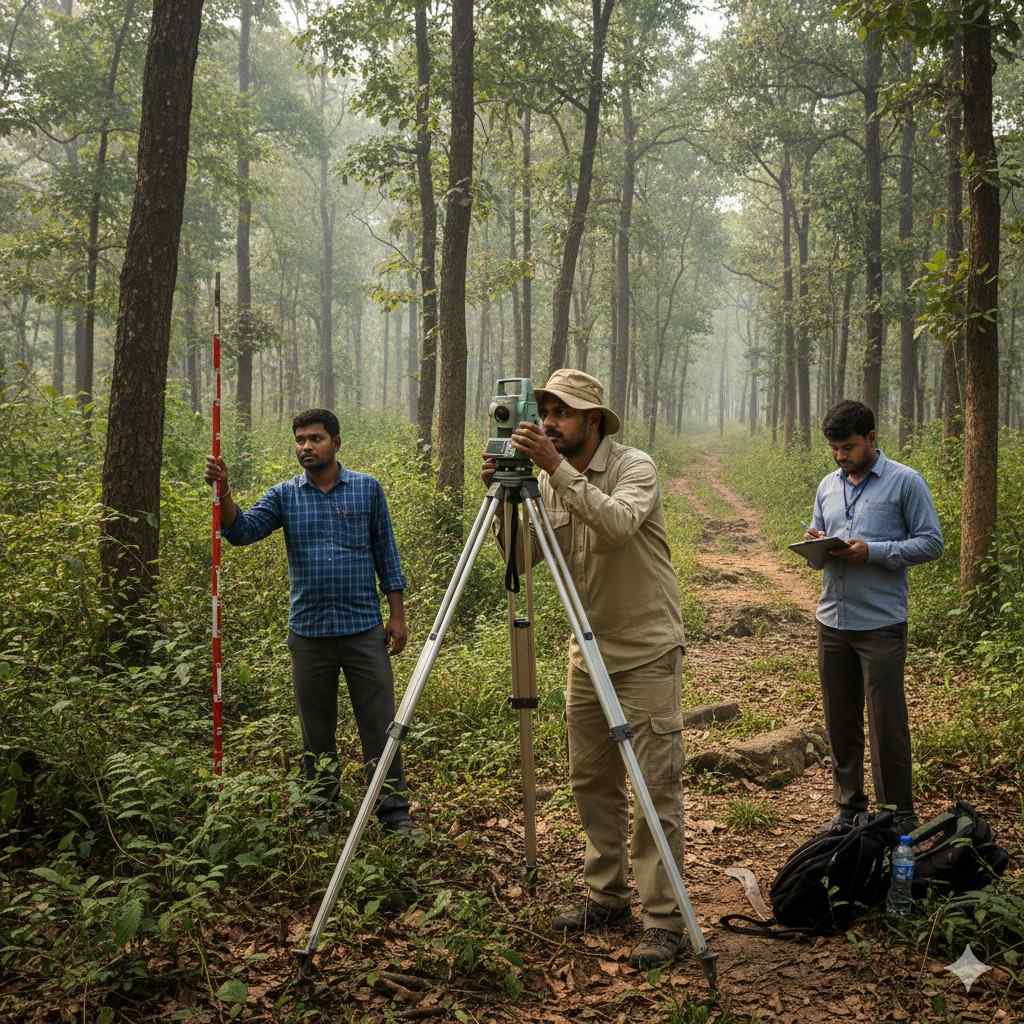
Wildlife Conservation & Management
Sustainable land use practices, public education and awareness, tree planting, recycling, and wild life habitat creation are all examples of techniques protecting the natural environment.
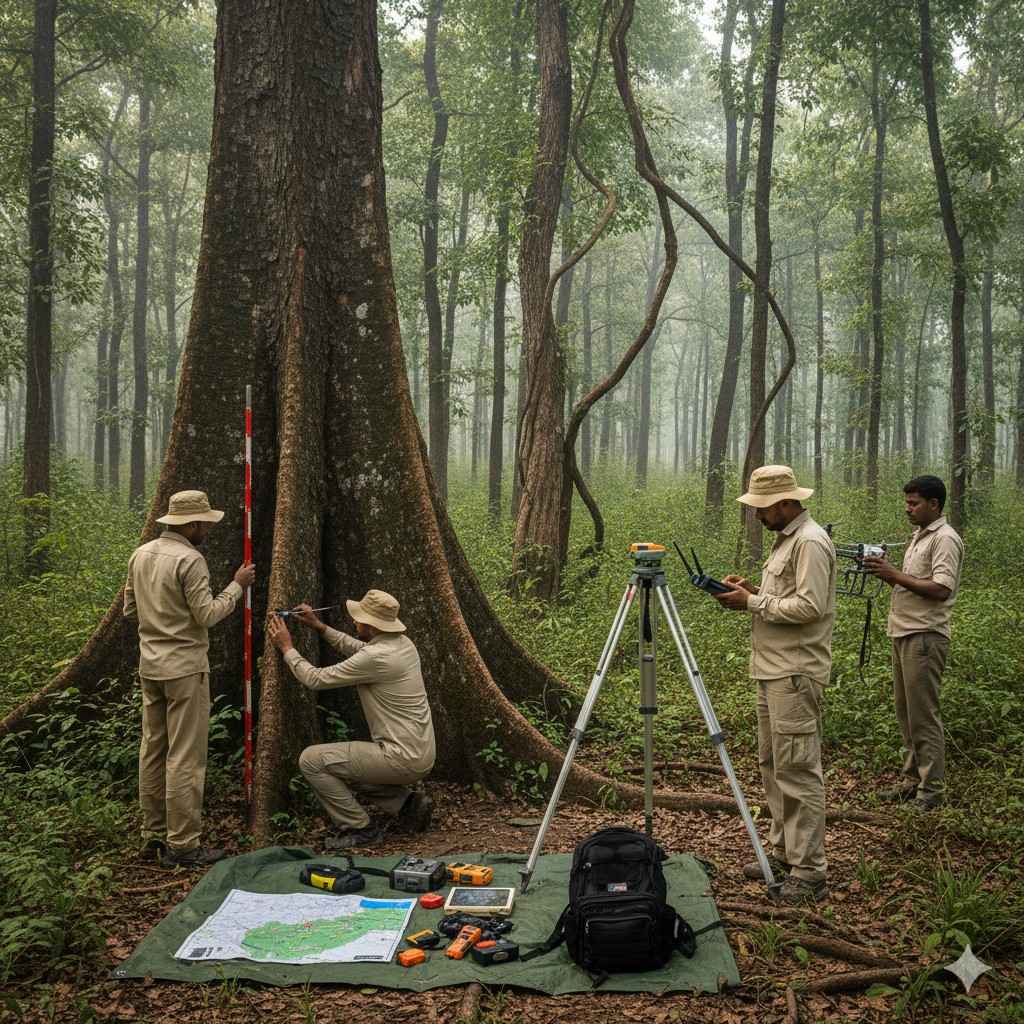
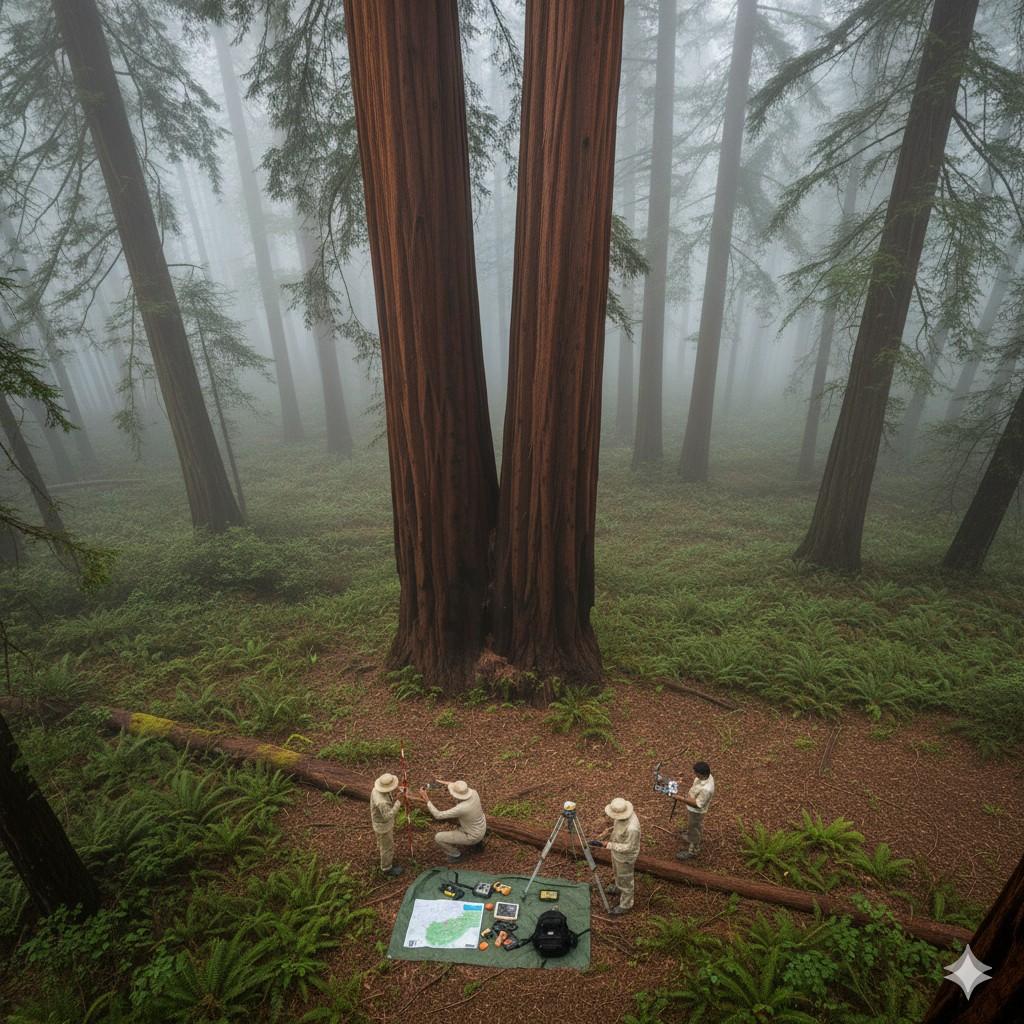

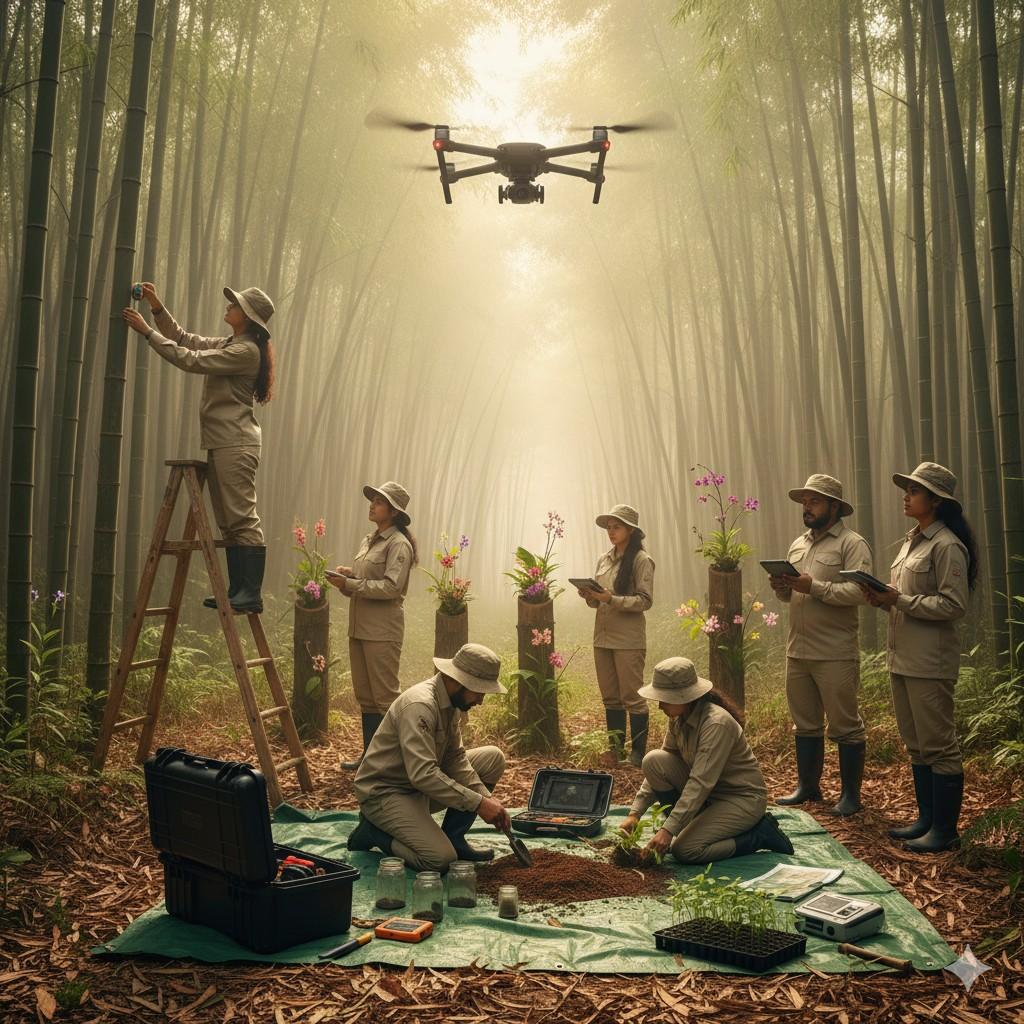
Our Conservation & Management Process
The process begins with a detailed Bio-diversity Assessment to map the existing flora and fauna, especially endemic and endangered species, in the impact zone. We analyze the project's potential stressors and impact on animal movement (corridors) and feeding/breeding sites.
The core deliverable is the Wildlife Conservation Plan (WCP), which outlines specific mitigation measures. This includes suggestions for sustainable land use practices, recycling programs, tree planting, and the creation/enhancement of alternative wildlife habitats to ensure project development proceeds without long-term negative ecological impact.
Core Wildlife Conservation Capabilities
Wildlife Conservation Plan (WCP/WLCP)
Preparation of comprehensive management plans for wildlife protection as per regulatory requirements of MoEF&CC and the State Forest Department.
Habitat Mitigation & Creation
Designing and implementing compensatory measures such as wildlife crossings (underpasses/overpasses) and dedicated stress-free habitats.
Public Education & Awareness
Developing and conducting awareness programs for local communities and project staff regarding the importance of wildlife protection and conservation practices.
Wildlife Conservation Specifications & Deliverables
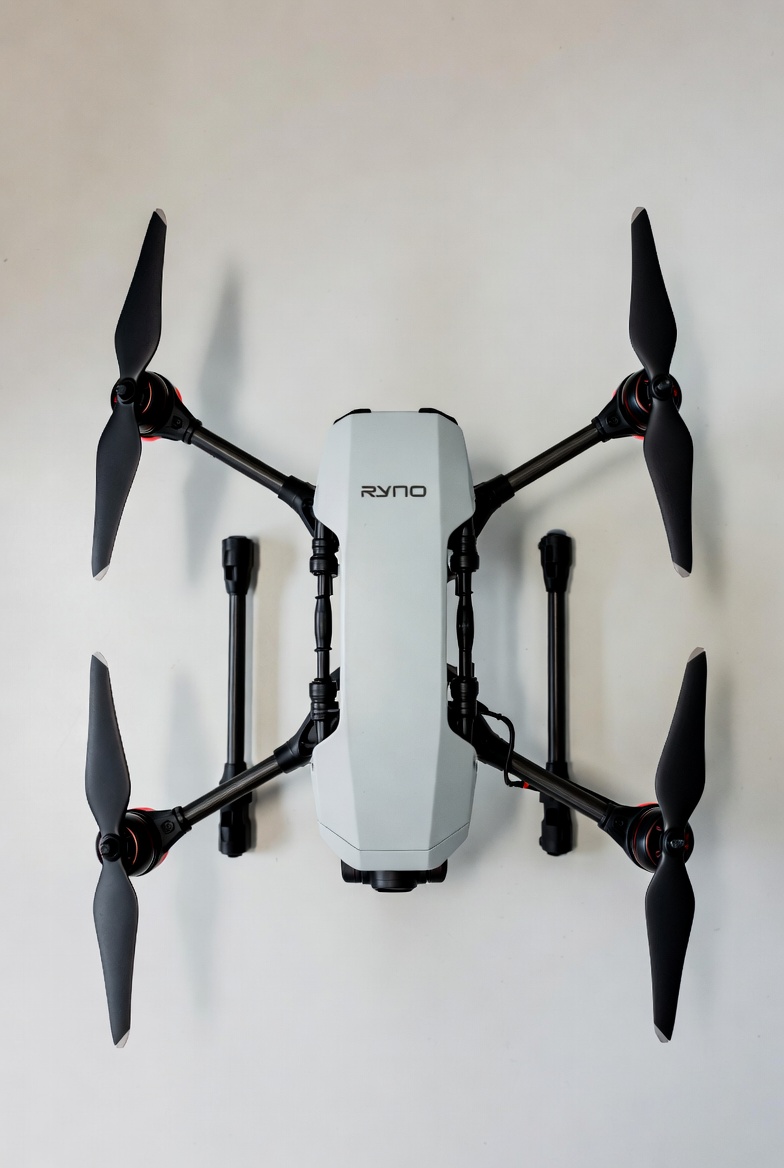
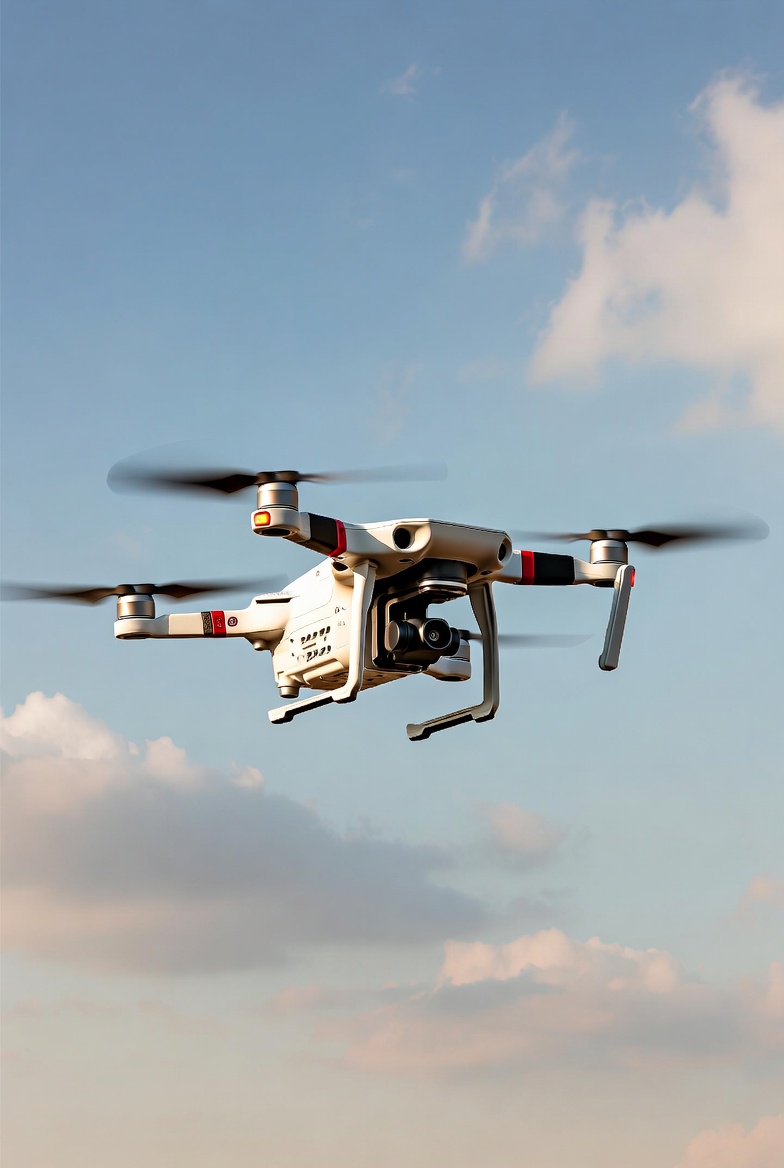
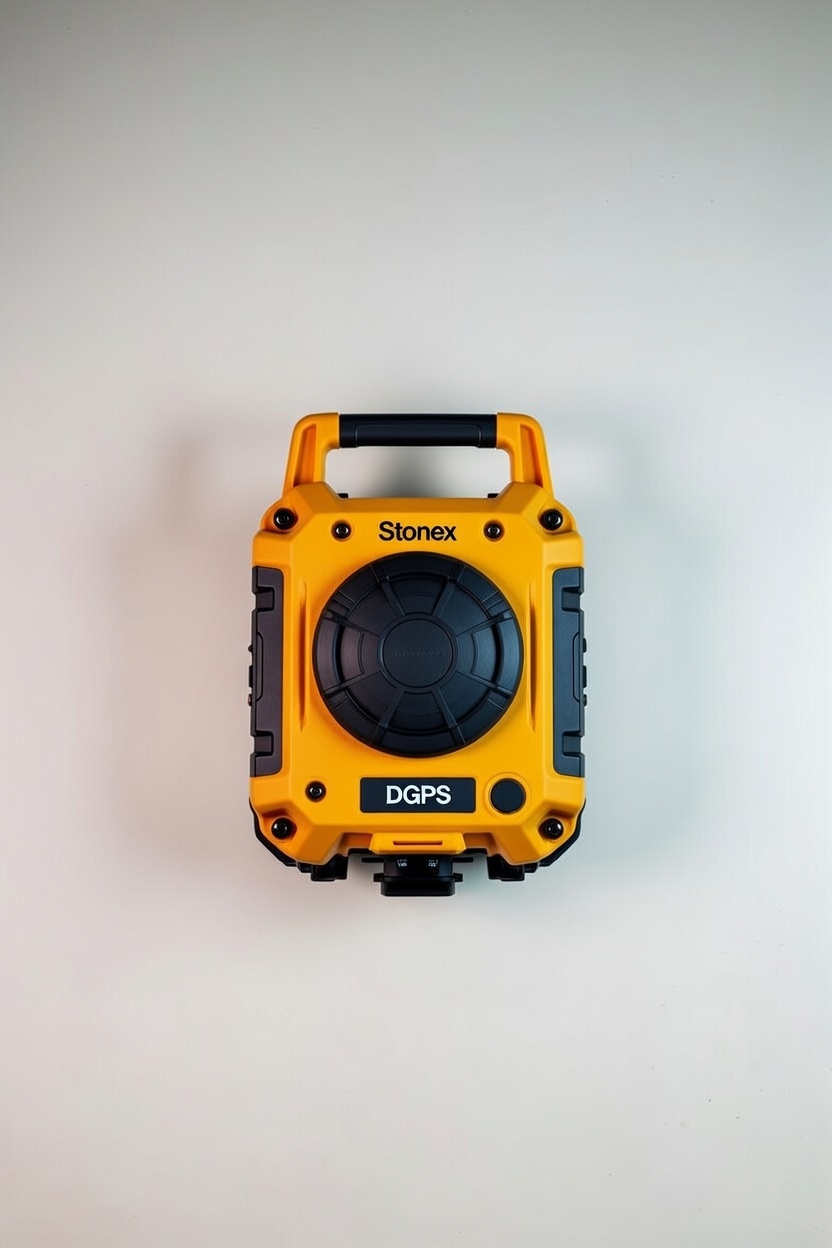
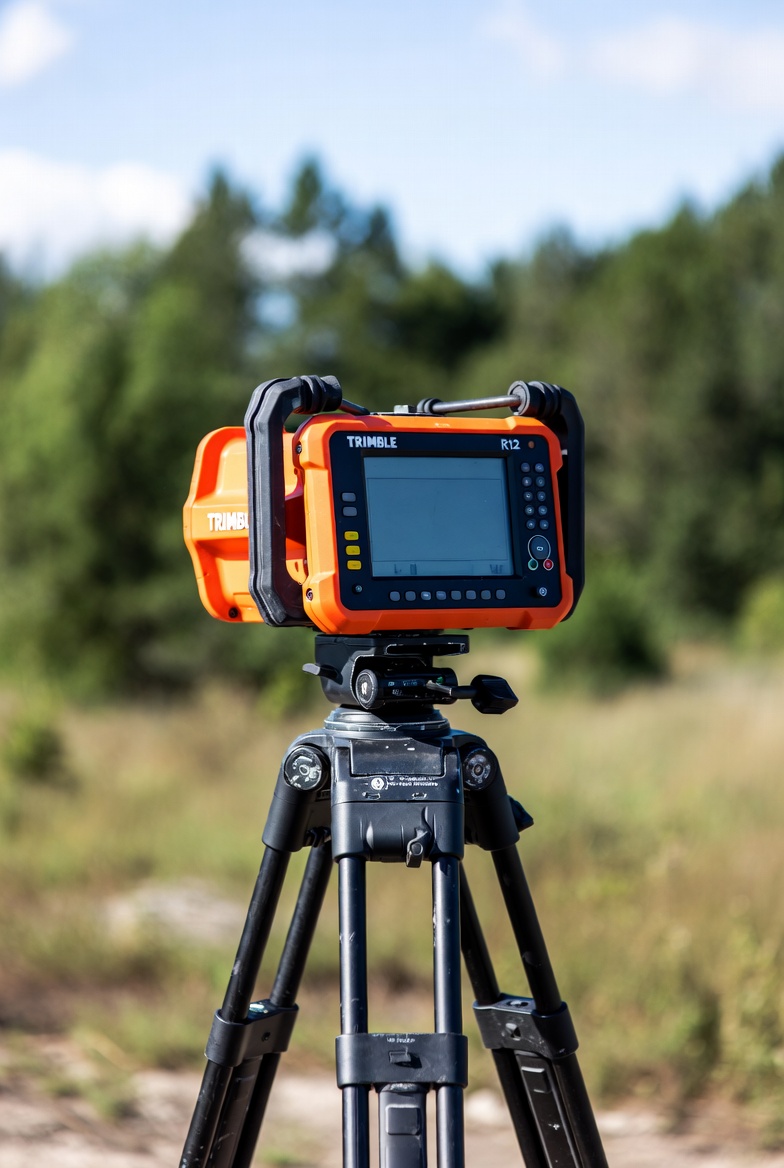
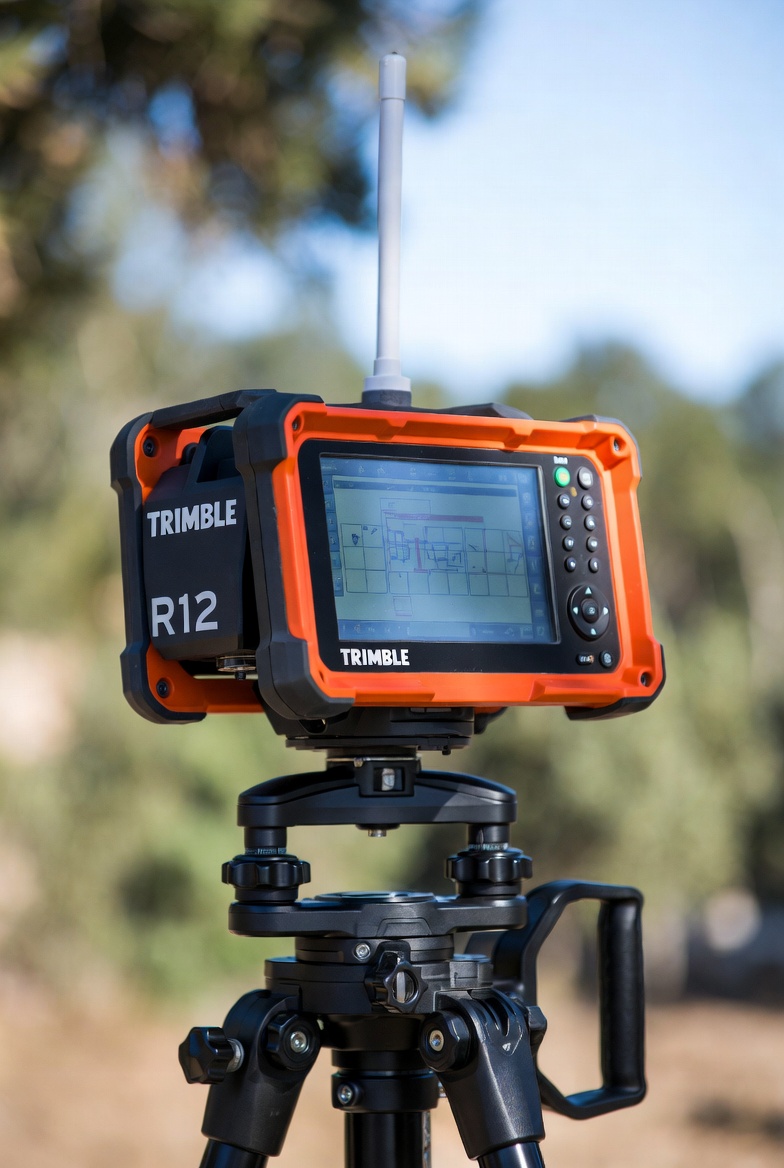
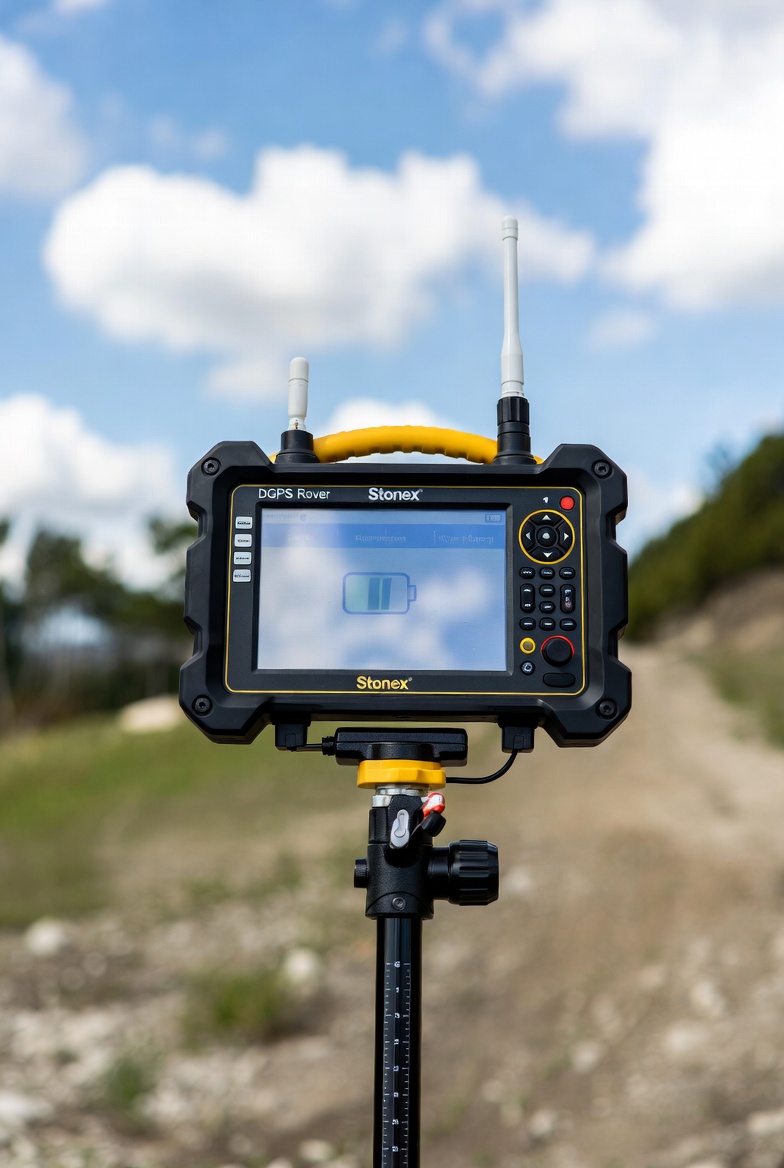
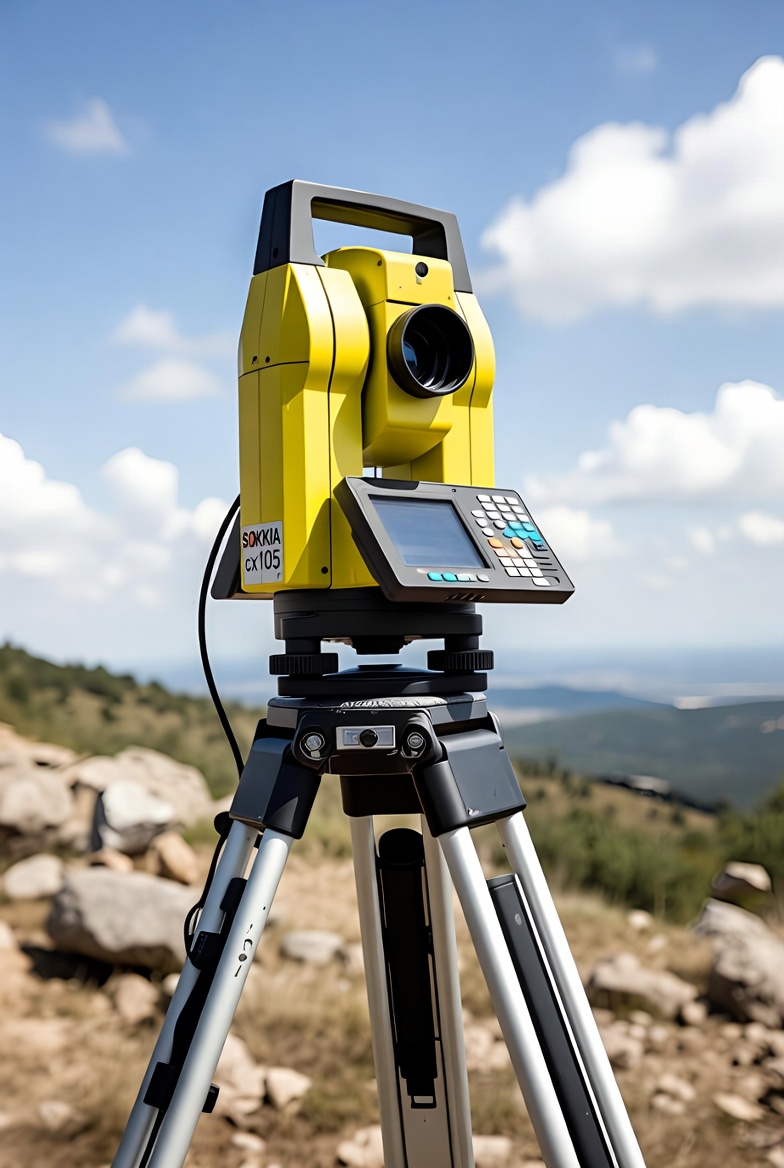
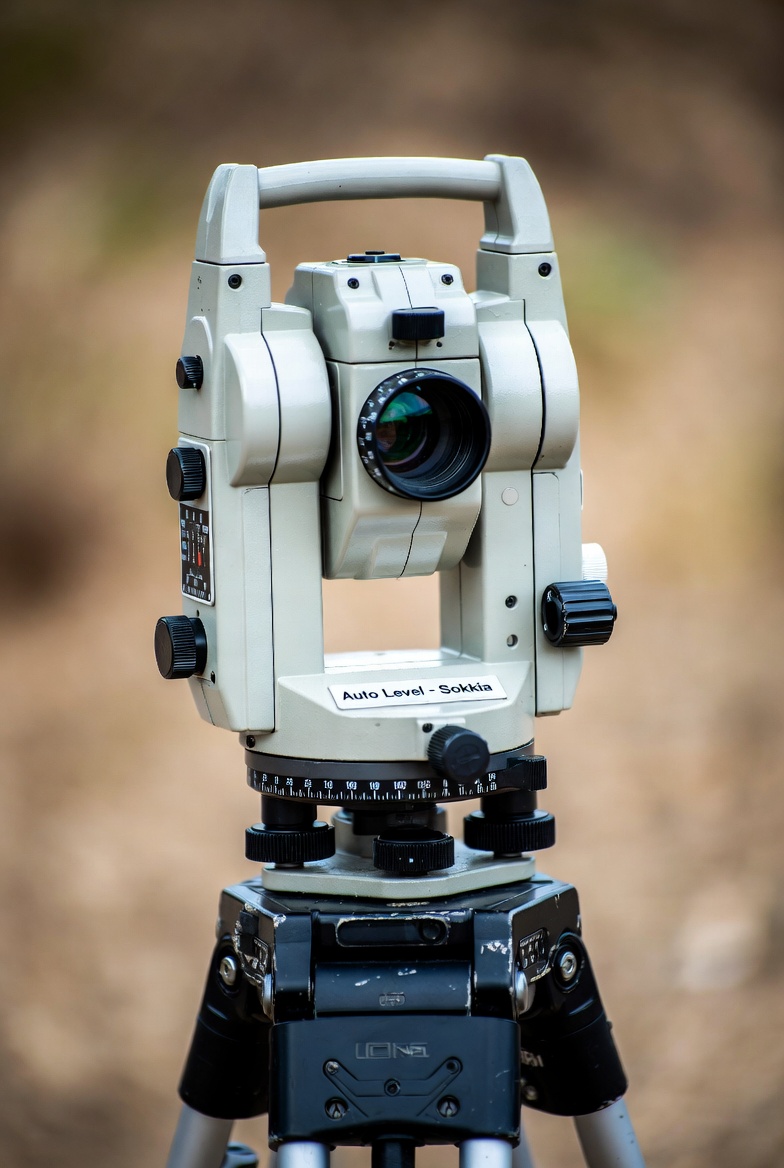
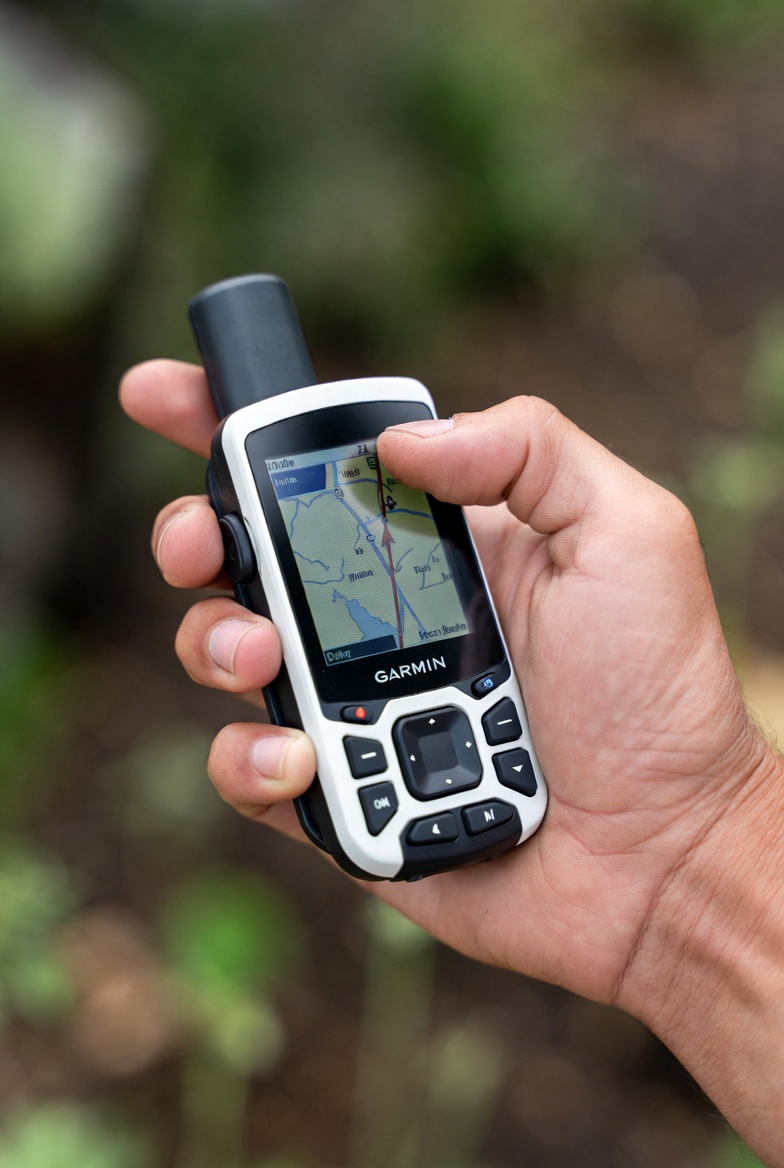
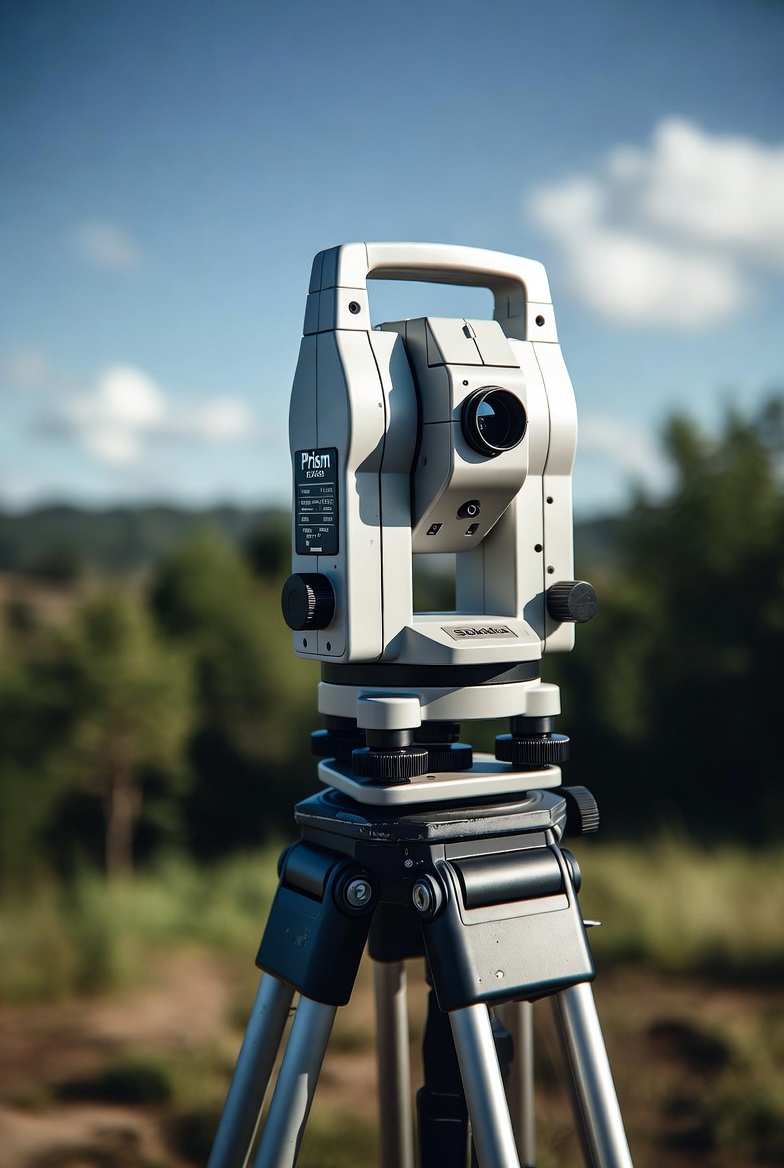
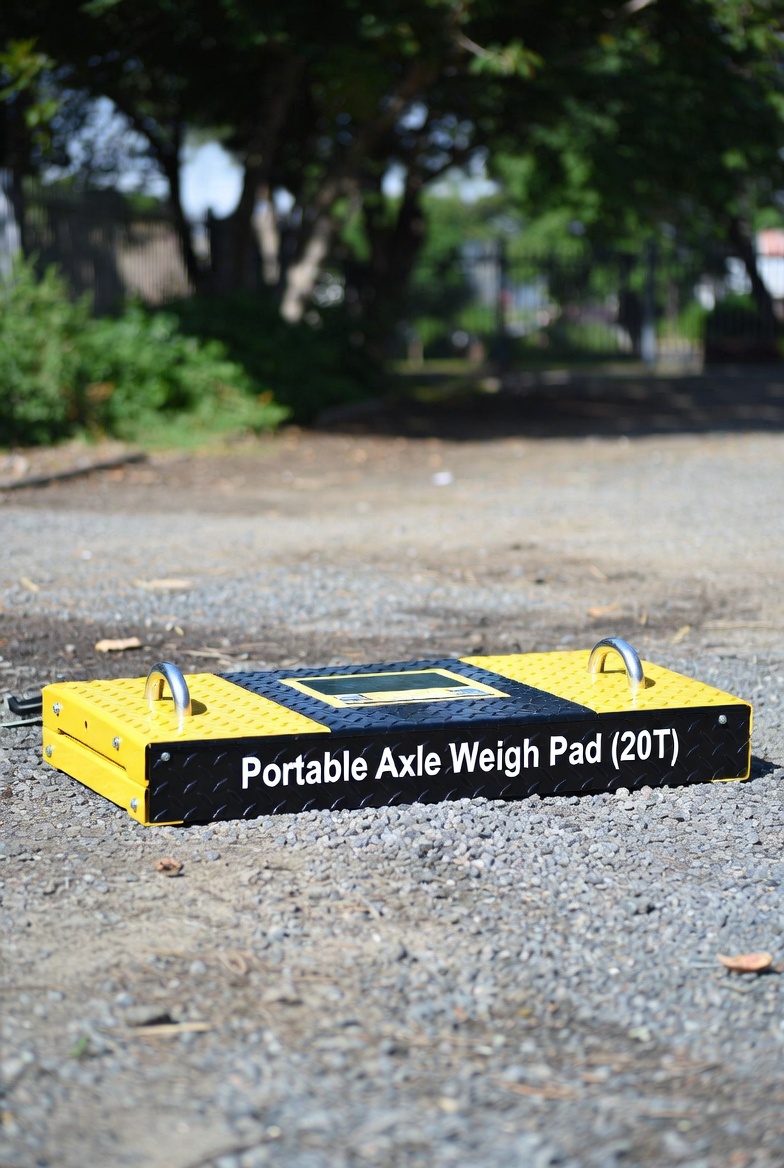
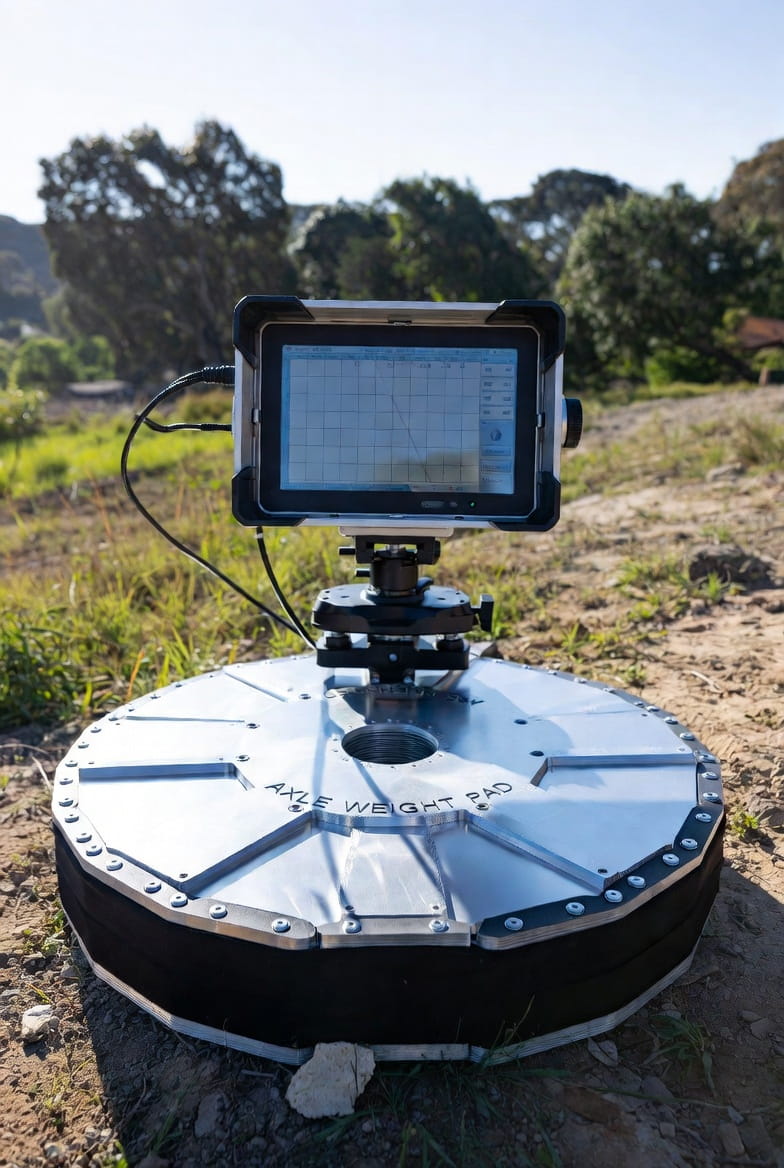
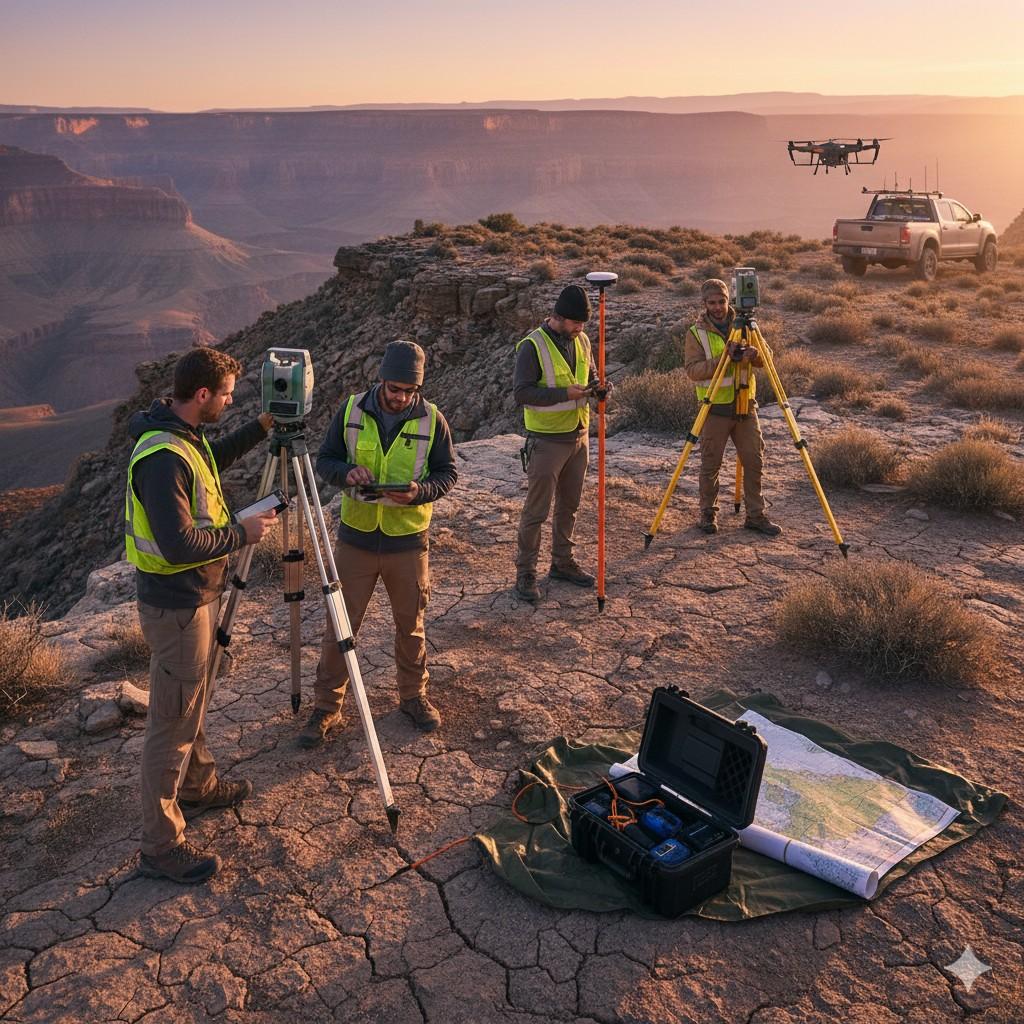
Modern Equipment Used: Technical Inventory for Mapping
Accurate spatial data is vital for mapping habitats, corridors, and project impact areas for effective conservation planning and implementation.